
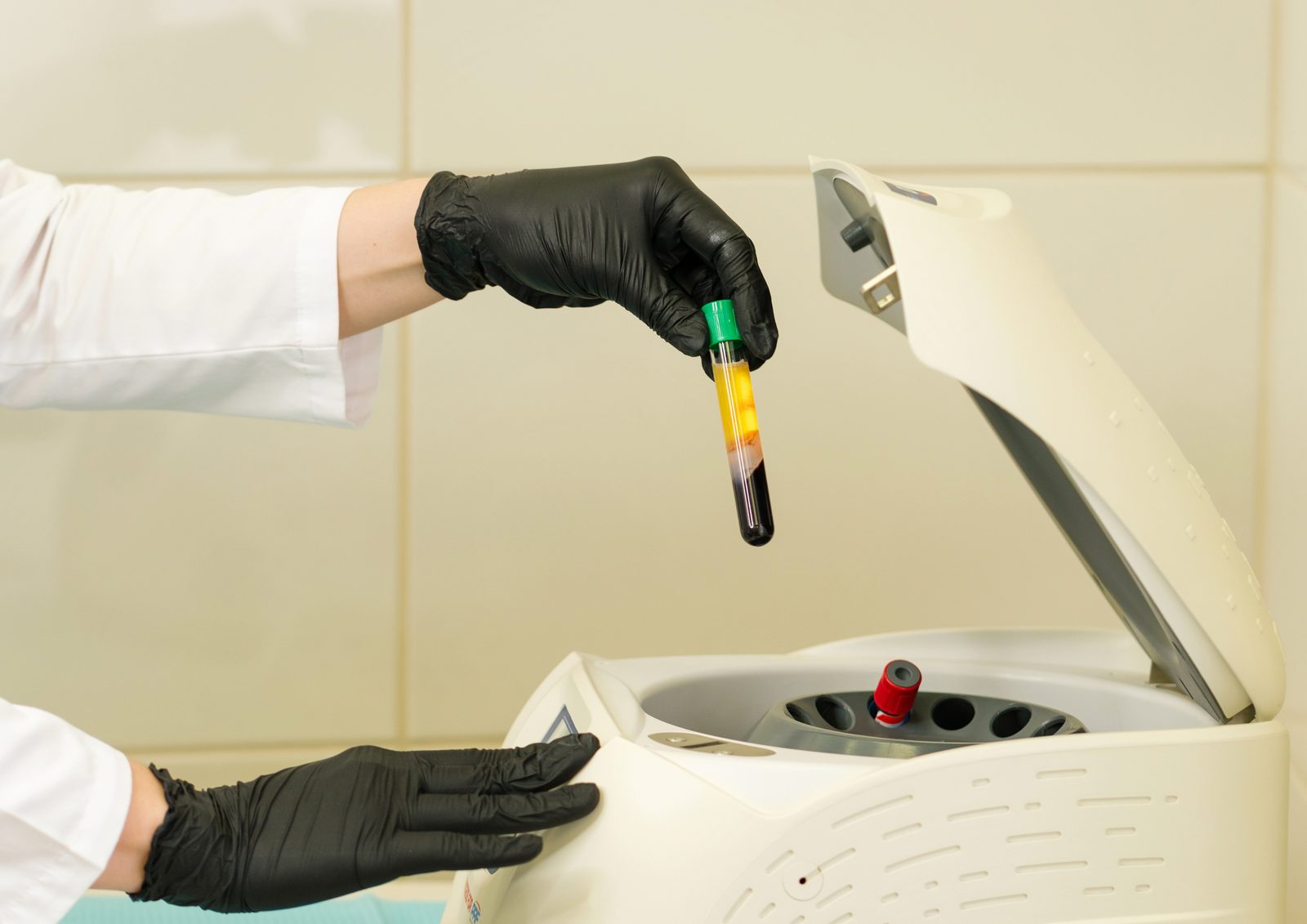
PRP and iPRF plasma therapy use a preparation made from the patient's own blood. The aim of the procedure is to support the skin's natural regeneration processes, improve its overall quality and soften the signs of ageing and fatigue.
Because the source material comes from the patient's own blood, no filler or other volumising preparation is added to the skin. The procedure suits those who prefer a biological, gradual approach.
What is the difference between PRP and iPRF?
PRP, or platelet-rich plasma, is prepared from a small blood sample by centrifugation. The resulting plasma contains platelets and growth factors that take part in tissue healing.
iPRF, or injectable platelet-rich fibrin, is also prepared from the patient's blood but with a different processing protocol. The fibrin network gives the preparation a different structure and allows the gradual release of biological components. The specialist selects the most suitable method.
Which procedures do we offer?
- PRP mesotherapy to support overall skin quality and radiance
- iPRF mesotherapy to support the skin's regeneration processes
- PRP combined with microneedling
- iPRF combined with microneedling
- Combined treatments for the face, neck, décolleté or hands according to the treatment plan
What results can you expect?
- Improved skin elasticity and hydration
- A fresher, more even complexion
- Softening of fine lines
- Gradual improvement in skin texture and density
Treatment course and recovery
Changes develop gradually, as the effect of the procedure is based on the body's own biological processes. A course of 2–4 treatments is often recommended. The exact interval and maintenance treatment depend on the condition of the skin and the goal.
Temporary redness, swelling, tenderness or small bruises may appear at the injection sites. When combined with microneedling, the usual microneedling recovery time applies as well.